

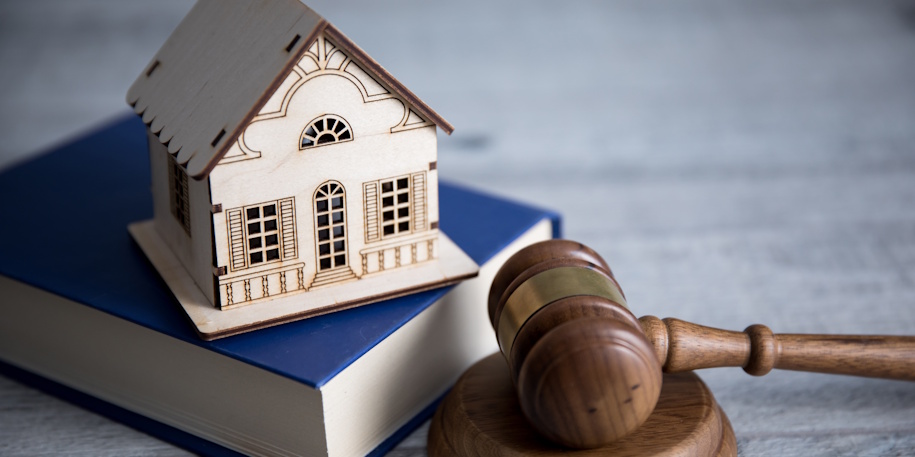
Can Bankruptcy Stop Foreclosure? Understanding Your Options
Falling behind on mortgage payments can be stressful, confusing, and overwhelming, especially for homeowners who have never dealt with serious debt before. Mortgage delinquency is a problem that can escalate quickly, and many people don’t realize how fast missed payments can lead to foreclosure proceedings.
Although foreclosure often feels like the end of the road, it often isn’t. In certain situations, bankruptcy can offer homeowners breathing room and a structured way to regain control of their mortgage. Learning how mortgage delinquency works and when bankruptcy becomes a smart strategy can help you make informed decisions before your best options disappear.
What Is Mortgage Delinquency?
Mortgage delinquency occurs when a homeowner falls behind on one or more mortgage payments. Lenders typically consider a mortgage “delinquent” the day after a payment is missed. As time passes, delinquency levels increase, often recorded as 30, 60, or 90 days late.
In the early stages, delinquency may trigger late fees, credit score damage, and warning notices from the lender. If payments remain unpaid, the lender may begin foreclosure proceedings under Colorado law. This process varies by situation, but generally accelerates once delinquency becomes severe.
Mortgage delinquency does not always mean foreclosure is inevitable. Many homeowners catch up, modify their loans, or explore legal tools before losing their homes. Understanding your status early is key, particularly if you are concerned about what happens to your mortgage after bankruptcy.
Why Use Bankruptcy To Address a Delinquent Mortgage?
Bankruptcy is often misunderstood as a last‑resort option that only wipes out unsecured debt. In reality, bankruptcy can be a strategic tool for homeowners dealing with delinquent mortgages, especially when foreclosure is approaching.
One of the most important benefits of bankruptcy is the automatic stay, a legal protection that immediately stops foreclosure actions once a case is filed. Because of this, many people ask: Can bankruptcy stop foreclosure? In many cases, the answer is yes.
Bankruptcy may make sense when:
- You are behind on mortgage payments, but still have regular income.
- Foreclosure proceedings have started or are about to start.
- You need time to catch up on missed payments.
- Other options, like loan modification, have failed.
Chapter 13 bankruptcy foreclosure cases are especially relevant for homeowners who want to keep their homes. Chapter 13 allows eligible borrowers to repay missed mortgage payments over time while continuing regular monthly payments. This structure can stop foreclosure and provide a realistic path forward.
Chapter 7 bankruptcy may also temporarily pause foreclosure, but it does not offer the same repayment framework. That distinction is why understanding the right chapter matters if saving your home is the primary goal.
Your Mortgage After Bankruptcy: What To Expect
A common concern is what happens to your mortgage after bankruptcy is filed. In most cases, bankruptcy does not eliminate the mortgage itself. Instead, it reorganizes how missed payments are handled and protects you while you work toward a resolution.
In Chapter 13 cases, homeowners continue paying their mortgage while catching up on missed amounts through a court‑approved plan. Successfully completing the plan can bring the loan current, allowing homeowners to move forward without foreclosure.
This process often changes how people think about mortgage-after-bankruptcy outcomes. Rather than losing the home outright, bankruptcy can become a structured reset, especially when delinquency is addressed early.
Because Chapter 13 bankruptcy foreclosure protections depend on timing and eligibility, seeking guidance sooner rather than later is critical.
How To Find a Bankruptcy Attorney Near You
If mortgage delinquency is causing financial stress, finding a qualified bankruptcy attorney can help you understand your options. Start by looking for attorneys who focus specifically on consumer bankruptcy and foreclosure‑related cases in your area.
During an initial consultation, most bankruptcy attorneys will:
- Review your income, expenses, and debts.
- Assess your mortgage status and delinquency level.
- Explain whether bankruptcy may stop foreclosure in your situation.
- Discuss which chapter of bankruptcy may apply.
- Outline next steps and timelines.
It’s helpful to bring recent mortgage statements, foreclosure notices (if any), and basic financial documents. A clear picture allows the attorney to evaluate whether bankruptcy can stop foreclosure.
Because bankruptcy laws and procedures vary by state, working with someone local helps ensure Colorado‑specific rules are properly considered, especially in Chapter 13 bankruptcy foreclosure cases.
When Mortgage Delinquency and Bankruptcy Intersect
Mortgage delinquency is not always a crisis, but ignoring it can turn it into one. Bankruptcy becomes a smart strategy when it is used intentionally, not reactively. For homeowners who act early, bankruptcy can stop foreclosure, stabilize finances, and create a viable long‑term solution.
Understanding how bankruptcy works with your mortgage puts you in a stronger position. Whether you are researching mortgage after bankruptcy scenarios or asking “Can bankruptcy stop foreclosure?” for the first time, timing and accurate information matter.
Can Bankruptcy Stop Foreclosure and Protect Your Home?
Mortgage delinquency in Colorado doesn’t have to end with foreclosure. In the right circumstances, bankruptcy — particularly Chapter 13 bankruptcy foreclosure protection — can offer homeowners time, structure, and legal safeguards when they need them most.
Learning your options early, understanding how bankruptcy affects your mortgage, and speaking with a qualified bankruptcy attorney can help turn uncertainty into a plan. For many homeowners, bankruptcy is not the end; it’s the beginning of a smarter path forward. Contact a bankruptcy attorney near you today to get started.